




Quiet Questions, Bold Answers: Where Curiosity Meets Clarity Every Day
Welcome—here, we don’t just talk about ideas; we get our hands dirty with real skills. Drawing on Manihano’s thoughtful approach, we blend theory with practical experience, always asking: how does this actually work in your world?
Submit NowStagecraft Success by the Numbers
Here’s where our real commitment comes into focus—each number
you see is more than a statistic, it’s a reflection of every
student we’ve helped grow through theatrical makeup artistry. We
believe that being open about our progress isn’t just about
pride; it’s about holding ourselves accountable to you and to
the standards we set. When you see these metrics, you’re seeing
our promise in action—evidence that quality education matters
here, every single day. There’s a certain magic in watching
skills take root, and that’s what these numbers quietly
celebrate.
Student enrollment
12-month retention
Skill level improvement
Step Into Storytelling Through Makeup
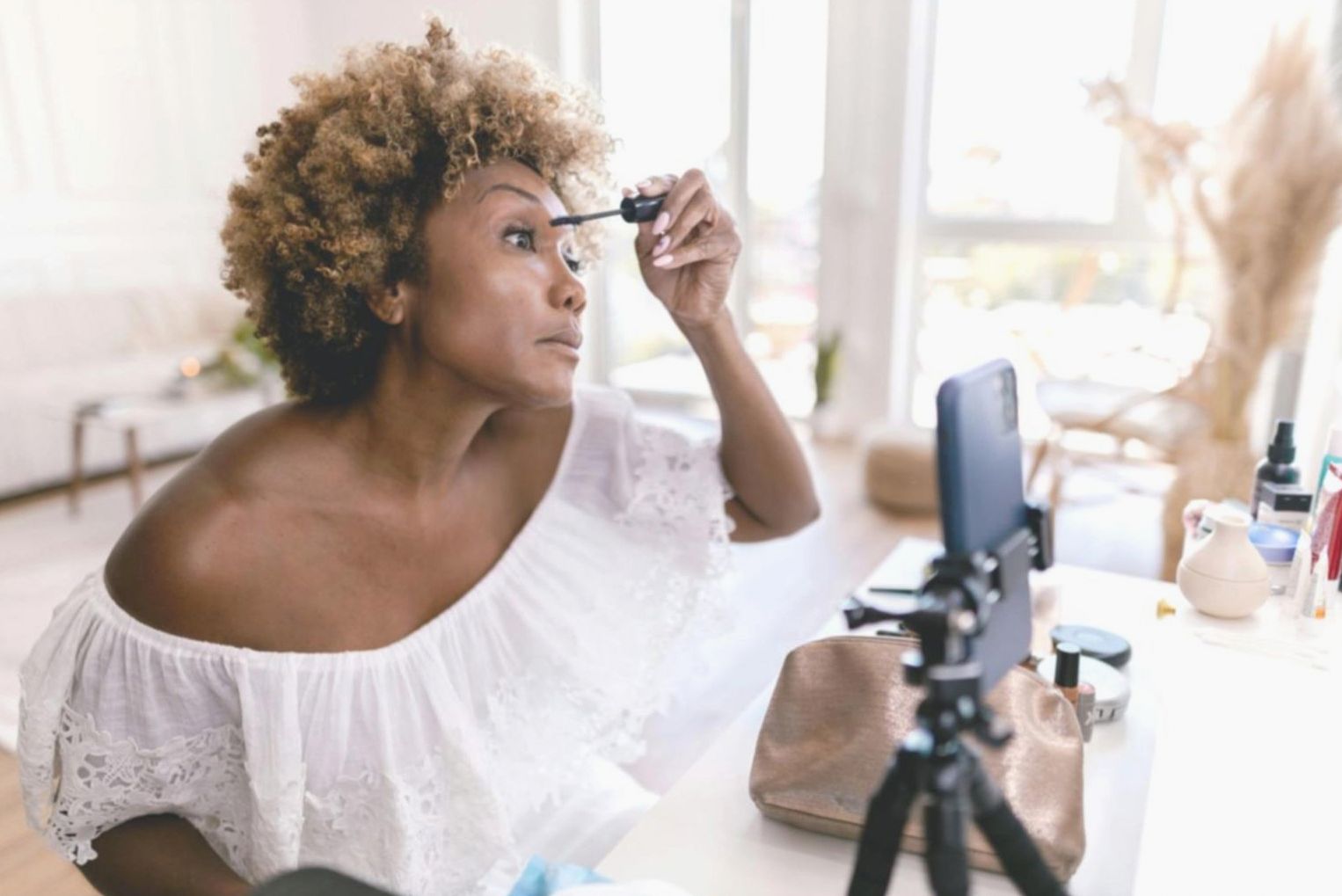
There’s something slippery about the difference between “masking” and “revealing” with makeup—especially in the theater. Most people talk about transformation as if it’s just a matter of clever tricks, the right product, or a steady hand. But, in truth, the more profound challenge is knowing when makeup should disappear, when it should announce itself, and when it should sit uneasily between those states. Surface-level knowledge leads to predictable results: you can spot a face that’s simply been painted to follow a reference, not one that’s been interpreted for the stage’s harsh glare, for movement, for character. That’s the difference between someone who’s memorized the textbook definition of “beauty” and someone who’s wrestled with that term in the context of a character who’s supposed to look sickly, or aged, or violently transformed—in other words, when beauty must be constructed and deconstructed at the same time. A lot of people, especially those who come in with a strong sense of fashion or photographic makeup, get tripped up by what I’d call the “distance problem.” They’re used to creating looks that hold up at arm’s length, or in photos where every pore is visible. But on stage, it’s not about being undetectable up close—it’s about creating an impression that reads from the tenth row. And, honestly, subtlety is a loaded word in this field. Sometimes, the most “subtle” effect actually requires a bold, almost counterintuitive technique. I remember watching someone try to age a young actor with delicate, feathered lines that would’ve been perfect for a film close-up. Under stage lights, though? The effect was nothing. It’s a lesson that gets missed when you haven’t been forced to solve these problems in real time, with real stakes, and in front of a room full of people who’ll tell you if it’s wrong. You start to see the craft differently. Instead of clinging to abstract ideals, you develop a fluency—a sort of visual literacy—that’s shaped by the demands of actual productions. You learn to read a face not just in terms of technical correctness, but as a dynamic surface that changes with lighting, sweat, emotion, and yes, the unpredictable energy of live performance. There’s a kind of humility in this, an acceptance that what works in theory almost never lands as intended. And, to be blunt, those who insist otherwise have rarely had to work under pressure when there’s no room for error. This isn’t about mastering a checklist of techniques; it’s about building the confidence to make decisions that serve the story, the performer, and the audience all at once.
Class starts off with quick-fire demos—think clown white base, sharp contour, then a brief halt. Brushes down, everyone tries it. There's this odd hush when students first attempt a latex stipple, almost like they're holding their breath. And if someone fumbles with spirit gum, the instructor just lets it ride for a minute before circling back, no rush to fix it right away. Fundamentals can feel brisk—color theory, bone structure, all that—before you realize they're already tossing in prosthetic blending. It reminds me of my first time with a greasepaint palette; you blink and suddenly you're shading creases you didn't know existed. Some days, the group will stop for what feels like forever on blocking out eyebrows, then suddenly leap to aging effects with little warning. The instructor might pause mid-sentence—“And if your shadow’s too harsh here, just—well, we’ll get back to that”—and before you know it, you’re elbow-deep in stippling again. There's a peculiar rhythm to it all. Not quite linear, but you end up back where you need to be.
Master Your Craft: Our Course Highlights
-
Improved application of neuroeducation principles
-
Streamlined incorporation of multimedia in virtual presentations
-
Enhanced online simulations
-
Greater awareness of online learning strategies
-
Advanced understanding of the role of online learning in media literacy
-
Streamlined coordination of virtual internships in event planning
Our Pricing for Educational Programs
When it comes to online education, there's a lot more to consider than just the bottom line. I've noticed—maybe you have too—that the right course can make all the difference, but only if it matches your goals, your schedule, and even your learning style. Sometimes, what looks like a bargain doesn’t really fit, and the most expensive option might include things you’ll never need. So, how do you figure out which path suits you best? It can be a bit like finding the right pair of shoes: comfort, support, and purpose all matter. Below you'll find educational options for every learning journey:
-
Max
The “Max” pathway is really for those who want to get their hands into everything—think of it as the backstage pass, not just the ticket. People usually choose it because they want to go deeper, not just dabble, and honestly, there’s something satisfying about digging in where the details matter most. One thing that stands out is the personal mentorship—actual working artists who’ll look over your shoulder (sometimes literally) and walk you through the messier parts. And yes, you’ll get access to the full workshop kit, down to the specific adhesives everyone swears by but never mentions in beginner guides. Some days will feel overwhelming, but if you’re the sort who’d rather sweat through a tough look than watch another step-by-step online, this pathway lines up well. The structure is flexible enough for late-night practice, which, in my experience, is when the best mistakes happen.
890 $ -
Lite
The “Lite” option tends to draw in those who want to dip their toes into theatrical makeup without a heavy time or financial commitment—think of someone who’s curious but not quite ready to go all in. What stands out most is the focused, no-frills curriculum: you get the essentials, clearly explained, without being swept into the deeper theory or the latest backstage trends. There’s also the flexibility to move at your own pace, which, in practice, means you can try out a basic contour or a character eye without waiting for anyone else in a group setting. Honestly, I’ve noticed that people who pick this route are more likely to experiment quietly on their own before sharing results. It’s not the place for detailed mentorship or community, but then again, these learners typically aren’t looking for that—they just want practical skills, fast, and maybe a tip or two they didn’t expect to find.
550 $ -
Premium
The “Premium” tier in our theatrical makeup process is, in my experience, where people get the kind of hands-on feedback that’s hard to find elsewhere—usually direct one-on-one critiques from artists who’ve actually worked backstage (sometimes you get stories, too, which isn’t nothing). People at this level give more of their time and, yes, a higher fee, but what they receive is a richer dialogue about their work—subtle technique adjustments, not just surface tweaks. There’s also early access to certain pigment blends, which, for some, is reason enough. Not everyone wants or needs that depth, but for those chasing a particular look or just enjoying the process, Premium often feels less like a transaction and more like a conversation.
780 $ -
Advanced
What really sets the Advanced access level apart, if you ask me, is the way it lets experienced learners dig into intricate color theory and application methods you just don’t find at the other levels—especially when it comes to sculpting realistic bruising or subtle age effects, which, oddly enough, is something people tend to ask about most right after working on their first full character. And for the type of person who gravitates here—usually someone who’s already been mixing their own palettes in a cramped green room—having the chance to get direct feedback on their experimental looks seems to matter much more than, say, just watching another demonstration. There’s a certain satisfaction in seeing how their riskier ideas play out, and the Advanced level really lets them push those boundaries, though I’d say the opportunity for real-time critique outweighs even the extra technical breakdowns for most.
700 $
Allen
Senior Executive
Crafting Characters with Theatrical Makeup Mastery
Manihano
Before they ever sweep powder across a cheek or sketch a line of kohl, aspiring theatrical makeup artists often face a particular kind of frustration—one I know all too well. They sit hunched over grainy video tutorials, pausing and rewinding, searching for the trick behind a perfect bruise or the subtle glow of stage lighting. Or worse, they fumble through crowded workshops, elbow to elbow, straining to glimpse the instructor’s brushwork. The hunger to create—to transform faces into living canvases—shouldn’t be met with confusion or intimidation. I remember that ache, the feeling that artistry was something reserved for the insiders, the lucky few who found the right mentors. Allen Manihano’s path wasn’t paved with privilege but with curiosity. Growing up backstage among layers of greasepaint, Allen watched his mother—herself a stage actress—become queens, paupers, and creatures of myth, all with a dab of color and a steady hand. He fell in love with the alchemy of it: the way pigment and shadow could conjure emotion, tell a story, even change the ending. Years later, after formal training in both fine arts and stagecraft, Allen saw the same barriers he’d once faced still looming large for new artists. So he started this venture with a simple mission—no more gatekeeping. Every student, no matter their background or starting point, would have the chance to master the art of theatrical transformation. What sets Manihano’s courses apart, in my experience, is the honest-to-goodness belief that everyone has a unique vision worth developing. Allen’s teaching isn’t about parroting techniques or memorizing set looks. Instead, each workshop is an invitation to experiment, to play, to make glorious mistakes and learn from them. Classes are kept small—sometimes intimate enough that you could hear the rasp of a makeup sponge—and every lesson is hands-on. Allen’s feedback is specific, encouraging, and sometimes a little unexpected; he might ask, “Why did you choose that shade?” or “What story is this character hiding?” It’s an approach that sparks confidence and curiosity, not just technical skill. And the stories that come out of these sessions? They’re the real proof. Like Maya—she’d been told she “wasn’t creative” in school and nearly believed it. After a few months with us, she sent a photo: her version of the wounded Hamlet, face streaked with tears and stage blood so convincing the director gasped. That’s the kind of transformation that sticks with you. It’s not just about makeup. It’s about discovering you can tell stories with your hands—and that, maybe, you always could.
Primary Contact Information
Tom
Community Moderator
When students wander into Tom’s classroom at Manihano looking
for help with theatrical makeup, they often discover the lesson
isn’t what they expected. He’s got a habit of tossing out a
scenario—say, a quick-change injury mid-play or an actor with a
rare skin allergy—and challenging everyone to come up with real
fixes, not just textbook responses. You’ll see him sitting on
the edge of a battered worktable, coffee cup in hand, listening
as students debate the difference between bruising with
greasepaint and alcohol-activated palettes. Sometimes he pushes
hard, questioning their assumptions until someone finally blurts
out something honest or uncertain; other times, he just nods and
lets the silence stretch. Before Manihano, Tom bounced between
old-school conservatories and offbeat learning collectives,
picking up tricks (and, once, a stray tabby kitten that used to
nap in his supply drawer). The questions Tom asks tend to stick
around—students say they find themselves muttering them
backstage, late at night, when the stakes suddenly get real.
Every so often, he’ll disappear for a week to consult on a
particularly knotty production, coming back with a battered
folder of notes and a new story that somehow, inevitably, finds
its way into class.